Other Ingredients: What the Excipients Tell You
The 'other ingredients' line lists capsule materials, flow agents, fillers and coatings. A short list generally indicates a simpler pro
MemoHoney is a once-daily "Advanced Memory Support" capsule, 30 to a bottle, taken with water 20–30 minutes before a meal. The largest MemoHoney page online prints "Not published" six times in its dosage column. The Supplement Facts panel prints all seven amounts. This page publishes them, then sets each one against the intake used in published human research.
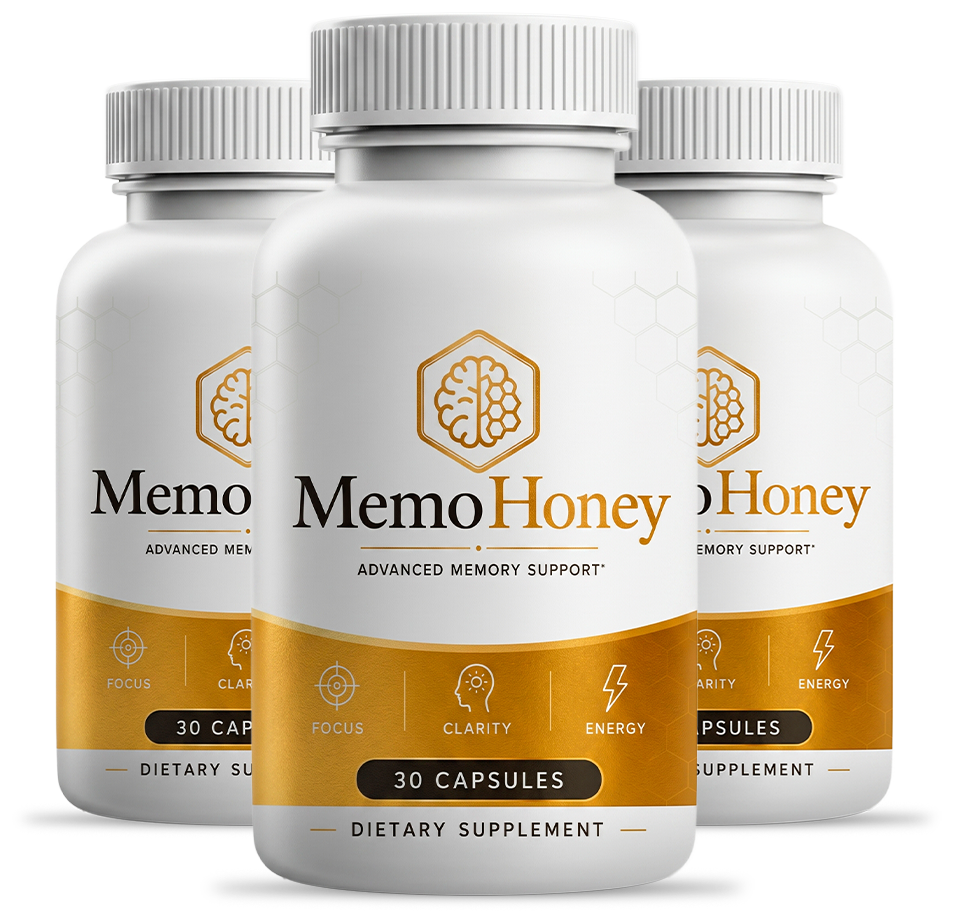
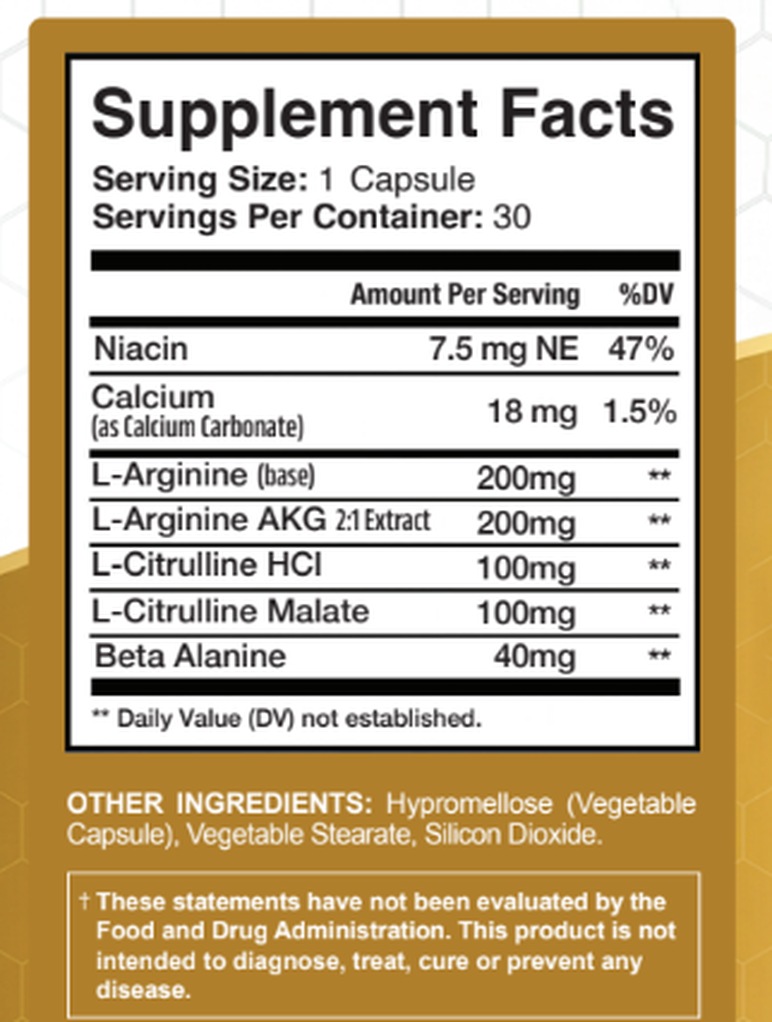
MemoHoney is a once-daily capsule sold as "Advanced Memory Support". One capsule with 8 oz of water, 20 to 30 minutes before a meal, provides Niacin 7.5 mg NE (47% DV), Calcium as calcium carbonate 18 mg (1.5% DV), L-Arginine base 200 mg, L-Arginine AKG 2:1 Extract 200 mg, L-Citrulline HCl 100 mg, L-Citrulline Malate 100 mg and Beta-Alanine 40 mg. Thirty capsules a bottle, priced from $49 to $79 a bottle with a 60-day guarantee.
The finding that matters: read that list again. Two arginine forms, two citrulline forms, beta-alanine, a B vitamin and a trace of calcium. That is the architecture of a nitric-oxide or pre-workout formula, and not one ingredient on it has primary human evidence for memory or recall. The ingredients that do — bacopa, ginkgo, citicoline, Alpha-GPC, phosphatidylserine — are all absent. This is a circulation supplement wearing a memory label.
| Product | MemoHoney — Advanced Memory Support |
|---|---|
| Format | Vegetable capsule, 1 daily |
| Capsules per bottle | 30 (one month) |
| Aminos per capsule | 640 mg (≈ 495 mg free) |
| Label lines | 7, all amounts printed |
| Memory ingredients | None on the panel |
| Stimulants | None — no caffeine |
| Price range | $49–$79 per bottle |
| Guarantee | 60 days from purchase |
| Where to buy | MemoHoney official website only |
The most-linked MemoHoney page online states in writing that the manufacturer does not publish milligram amounts, and prints "Not published" six times rather than invent them. That is an honest position to take when you are working from marketing copy. It is also unnecessary, because the amounts are printed on the bottle.
| Ingredient | The largest MemoHoney page online | The printed Supplement Facts panel |
|---|---|---|
| Niacin (Vitamin B3) | Not published | 7.5 mg NE (47% DV) |
| Calcium (as calcium carbonate) | not listed at all | 18 mg (1.5% DV) |
| L-Arginine (base) | Not published | 200 mg |
| L-Arginine AKG 2:1 Extract | Not published | 200 mg |
| L-Citrulline HCl | Not published | 100 mg |
| L-Citrulline Malate | Not published | 100 mg |
| Beta-Alanine | Not published | 40 mg |
Both of the biggest MemoHoney pages describe the formula as six ingredients. The printed panel lists seven — calcium carbonate at 18 mg appears above the line as an active ingredient and is omitted by both. It contributes 1.5% of a day's calcium, so nothing is lost nutritionally. What it tells you is that neither page is working from the label.
A competing MemoHoney page tells buyers to expect two sensations: niacin flush and the beta-alanine tingle. It publishes a customer story describing exactly that tingle in week one.
With the printed numbers in front of you, neither is possible:
Niacin flush needs roughly 30–50 mg of nicotinic acid. MemoHoney contains 7.5 mg NE. A review describing an effect the dose cannot produce tells you something useful about the review, not about the product.
MemoHoney's label says Advanced Memory Support. Its pillars are Focus, Clarity and Energy. Its panel is two arginine forms, two citrulline forms, beta-alanine, niacin and a trace of calcium.
That combination has a name in the supplement industry, and the name is not nootropic. It is the standard architecture of a nitric-oxide or pre-workout formula: arginine plus citrulline for vasodilation, beta-alanine for carnosine buffering, a B vitamin for energy metabolism. Beta-alanine's entire evidence base is muscular endurance in efforts lasting one to four minutes.
None of that makes MemoHoney a bad product. Arginine and citrulline are real compounds with real research behind them, and better cerebral perfusion is a genuine, if indirect, route to feeling sharper. It does mean the words on the front of the bottle and the ingredients on the back are describing two different products.
Here is what a memory formula would normally contain. Every one of these is absent from the MemoHoney panel:
Every line on the panel feeds the left-hand pathway. The memory pathway on the right has nothing connecting to it — which is not an accusation, it is what the ingredient list says.
Bar length shows the printed amount as a share of the intake used in published human research. Niacin is the one line that lands.
Read directly from the MemoHoney Supplement Facts panel
The nitric-oxide substrate, and the joint-largest line on the panel. roughly 7% of the researched amount
The same amino acid again, bound to alpha-ketoglutarate — a second label line. roughly 6% of the researched amount
The better-absorbed route to arginine — at roughly 3% of the studied intake. roughly 3% of the researched amount
Citrulline again, in a second salt form — the fourth line feeding one pathway. roughly 2% of the researched amount
A muscular-endurance ingredient at roughly one per cent of its loading dose. roughly 1% of the researched amount
The one line delivered at a genuinely meaningful nutritional amount. 47% of the adult Daily Value
1.5% of a day's calcium — functionally a flow agent given an ingredient line. roughly 2% of the researched amount
Two of the seven lines are salt forms, and salt forms are not the free compound. Arginine AKG at a 2:1 ratio is roughly 57–60% arginine. Citrulline malate is roughly 56–60% citrulline; the HCl form about 85%.
Do the conversions and the panel's apparent 400 mg of arginine becomes about 315 mg, and its apparent 200 mg of citrulline becomes about 140 mg.
To reach the studied intakes of arginine, citrulline and beta-alanine together you would need roughly 9 g a day — around fourteen of these capsules. That is not a criticism of the formulator so much as the arithmetic every once-daily capsule runs into.
Niacin at 7.5 mg NE covers 47% of the adult Daily Value — a sensible nutritional contribution rather than a token sprinkle, and the one line on this label that is doing an honest job at an honest amount.
The guarantee runs 60 days and asks for 30 days of use. A fair trial of a cognition supplement runs 8 to 12 weeks. Three bottles covers the trial and ships free; six bottles is the cheapest per bottle but outlasts your refund window by four months.
See Current MemoHoney PricingOfficial website checkout · 60-day guarantee · confirm the terms before paying
Recall depends on sleep quality, cerebrovascular health, hearing, blood pressure, blood glucose, physical activity, medication load, mood and how much genuine attention you paid at the moment of encoding. Those are the levers with real evidence behind them, and they are also the ones nobody can package.
Where does a supplement fit? Honestly, underneath all of it. Better cerebral perfusion is a plausible contributor, and the arginine–citrulline pathway is the correct mechanism to aim at if perfusion is your target. The question is only ever whether the amounts in one capsule can move it — and with 315 mg of free arginine against a 3,000 mg research intake, the answer is visible on the panel.
Read the full MemoHoney explained guide, or go straight to how MemoHoney works mechanism by mechanism.
Before the first capsule, write down three specifics: how often you lose a word mid-sentence, how often you walk into a room and forget why, and your afternoon focus out of ten. Without that baseline, no supplement in this category can be assessed — and with it, most can.
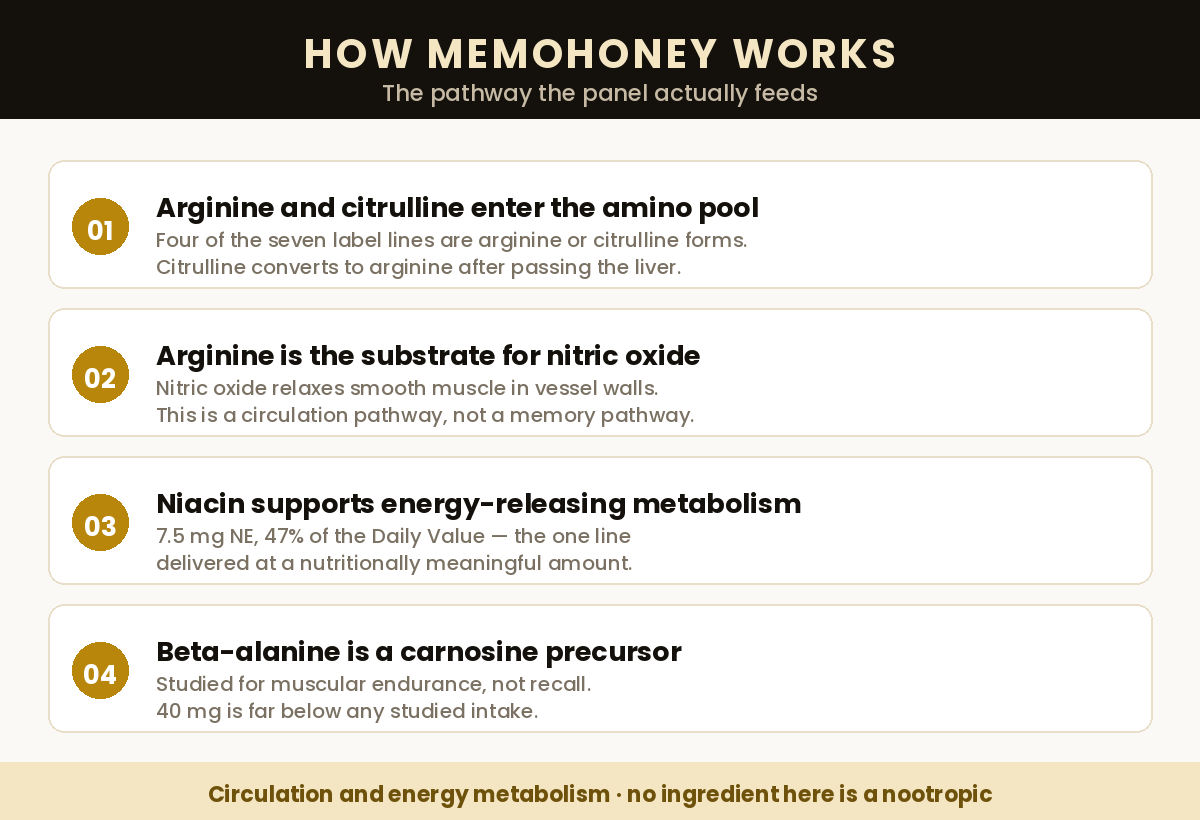
This graphic was rebuilt for accuracy. The version supplied with the product carried an AI-generation badge, three misspellings, and a claim that the formula restores acetylcholine — which nothing on this panel can do.
Mechanism without dose is marketing. Here is what each part of the panel does in the body, in the order it happens, and how much of it you are getting.
Two arginine forms, two citrulline forms and beta-alanine. Once salt forms are converted, that is about 315 mg of free arginine, 140 mg of free citrulline and 40 mg of beta-alanine — less than the panel's face value suggests.
Oral arginine is largely broken down by arginase before it reaches circulation. Citrulline slips past that first pass and converts to arginine in the kidneys, which is why well-designed formulas lean on citrulline. Here, citrulline is the smaller of the two.
Nitric oxide relaxes the smooth muscle lining blood vessels, widening them and improving flow. This is the mechanism behind arginine's use in cardiovascular and erectile-function research — at gram-level doses.
The brain consumes about a fifth of the body's oxygen, so cerebral perfusion genuinely matters for cognition. But no trial has shown a few hundred milligrams of arginine changing cerebral blood flow, let alone recall.
The one line doing a straightforward nutritional job. 7.5 mg NE covers 47% of the Daily Value and supports the enzymes that release energy from food.
Its research base is muscular endurance in one-to-four-minute efforts, following weeks of gram-level loading. At 40 mg it contributes neither the carnosine loading nor the tingle, and neither one relates to memory.
Every amount below is read from the Supplement Facts panel, not from marketing copy. Full research context, salt-form conversions and cautions are on the MemoHoney ingredients page.
200 mg per capsule
The nitric-oxide substrate, and the joint-largest line on the panel.
200 mg per capsule
The same amino acid again, bound to alpha-ketoglutarate — a second label line.
100 mg per capsule
The better-absorbed route to arginine — at roughly 3% of the studied intake.
100 mg per capsule
Citrulline again, in a second salt form — the fourth line feeding one pathway.
40 mg per capsule
A muscular-endurance ingredient at roughly one per cent of its loading dose.
7.5 mg NE (47% DV) per capsule
The one line delivered at a genuinely meaningful nutritional amount.
18 mg (1.5% DV) per capsule
1.5% of a day's calcium — functionally a flow agent given an ingredient line.
These are supportive wellness claims for healthy adults, not promised medical outcomes. Where the dose supports the claim we say so; where it does not, we say that too. The last two entries below are the ones the panel cannot back, and they are also the two printed on the front of the bottle.
The most defensible description of MemoHoney is this: it is a small daily amino-acid and B-vitamin top-up in a stimulant-free capsule. Explore each claim on the MemoHoney benefits page.
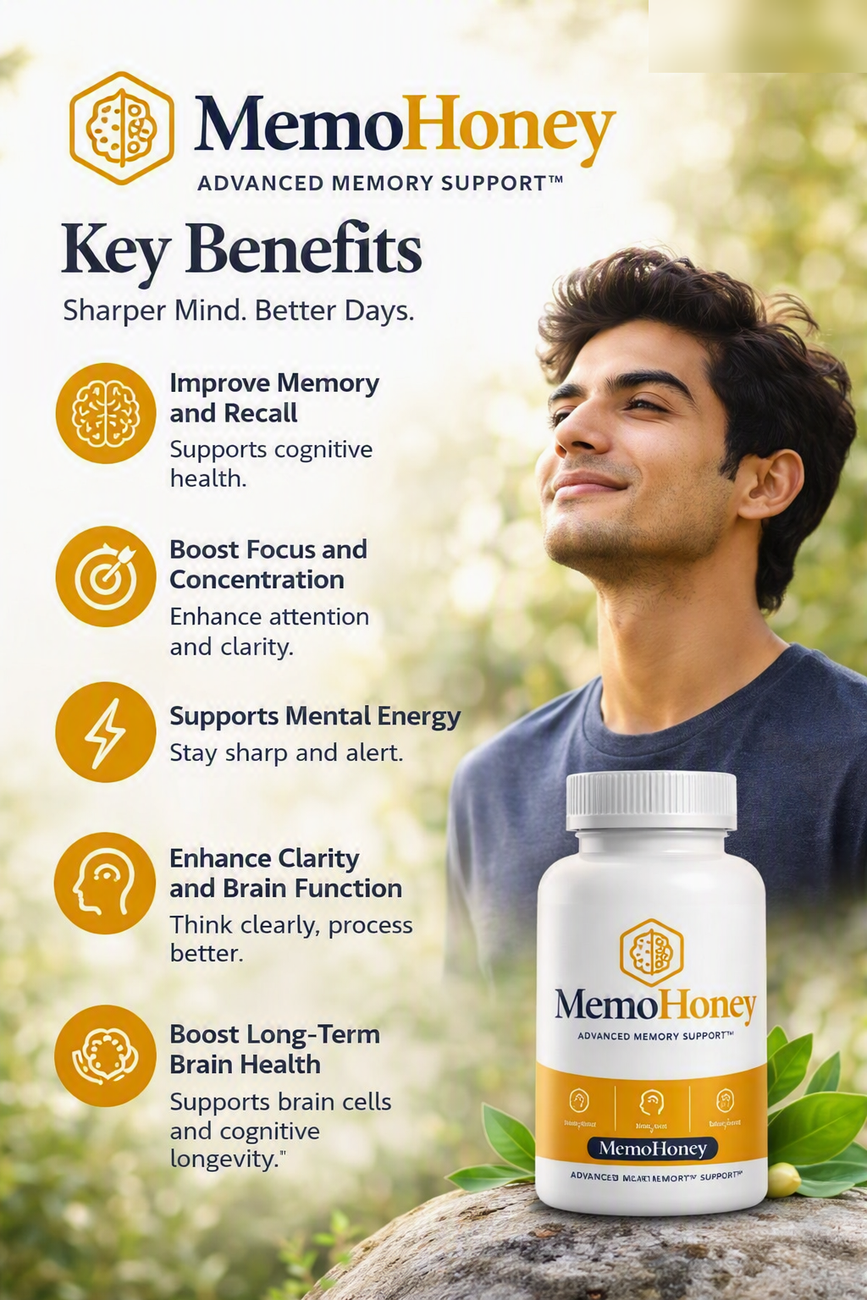
This is the claim the panel genuinely lines up behind. Four of the seven lines are arginine or citrulline forms feeding nitric oxide production, which relaxes vessel walls. The mechanism is real; the amounts are far below the intakes used in vascular research.
Niacin at 47% of the Daily Value is the strongest line on the label. B3 is the precursor to NAD, which every cell uses to release energy from food. A sensible nutritional contribution, and not a stimulant.
No caffeine and nothing that raises heart rate. One capsule with water, 20 to 30 minutes before a meal. Easy to keep, easy to measure, and nothing to feel — which is exactly why a written baseline matters here.
A hypromellose capsule rather than gelatin, with vegetable stearate and silicon dioxide as the only other ingredients. A short, clean excipient list.
Arginine, citrulline and beta-alanine are all non-essential amino acids the body also makes and obtains from food. This adds a small daily top-up — roughly what a few grams of protein-rich food would contribute.
Every amount is printed, including the percentages of Daily Value. That is the single most useful thing about this product, and it is the reason every comparison on this site is possible. It is also what the two biggest MemoHoney pages online decline to publish.
This is the headline claim and the one the panel cannot support. Not one ingredient here has primary human evidence for memory or recall in healthy adults, and the ingredients that do — bacopa, ginkgo, citicoline, Alpha-GPC, phosphatidylserine — are all absent.
Same position. Better cerebral blood flow is a plausible indirect route to feeling sharper, but that route requires vascular doses this capsule does not contain. Treat this as a structure-function phrase rather than a demonstrated outcome.
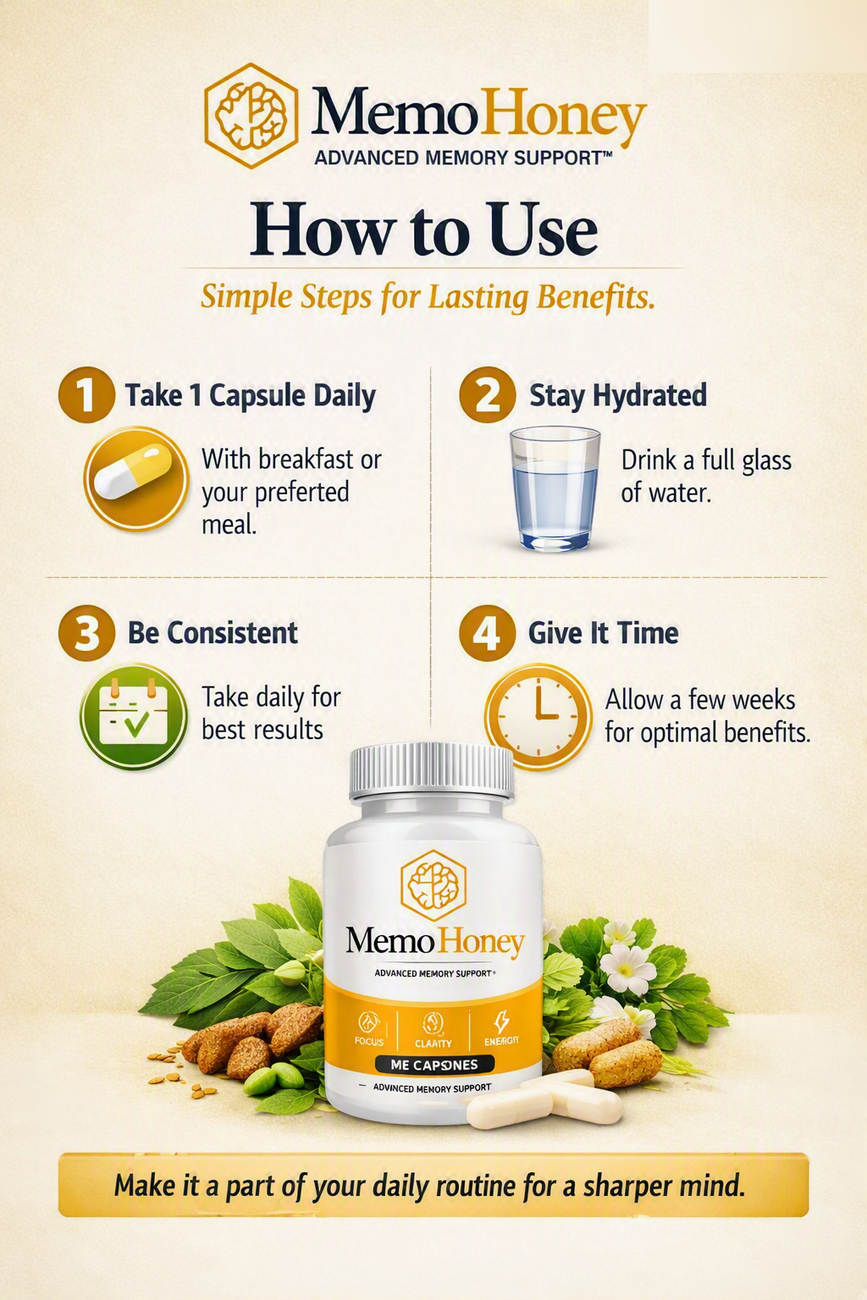
Straight from the label: one capsule with 8 oz of water, 20 to 30 minutes before a meal. Amino acids absorb better away from a large protein load.
The routine matters more than the timing. Attach it to the meal you never skip so adherence is not a daily decision.
There is no caffeine, no flush at 7.5 mg of niacin and no tingle at 40 mg of beta-alanine. If you feel something dramatic in week one, be sceptical rather than pleased.
Three specifics: how often you lose a word mid-sentence, how often you walk into a room and forget why, and how you would rate afternoon focus out of ten. Without this you cannot assess anything later.
Arginine and citrulline widen blood vessels. If you take nitrates, blood pressure medication or erectile dysfunction drugs, that effect can stack. The doses here are small, and the conversation is free.
The guarantee runs 60 days. A fair trial of a cognition product runs 8 to 12 weeks. Those two windows do not overlap, so set the reminder at day 50 and decide then.
At least four different ingredient lists circulate under the MemoHoney name. The only one that describes what you are swallowing is the one printed on your own bottle.
The MemoHoney discount is structured by bundle size rather than a coupon code — $79 a bottle for two, $69 for three, $49 for six. Three and six ship free and include five digital guides. Confirm the live total at checkout before paying.
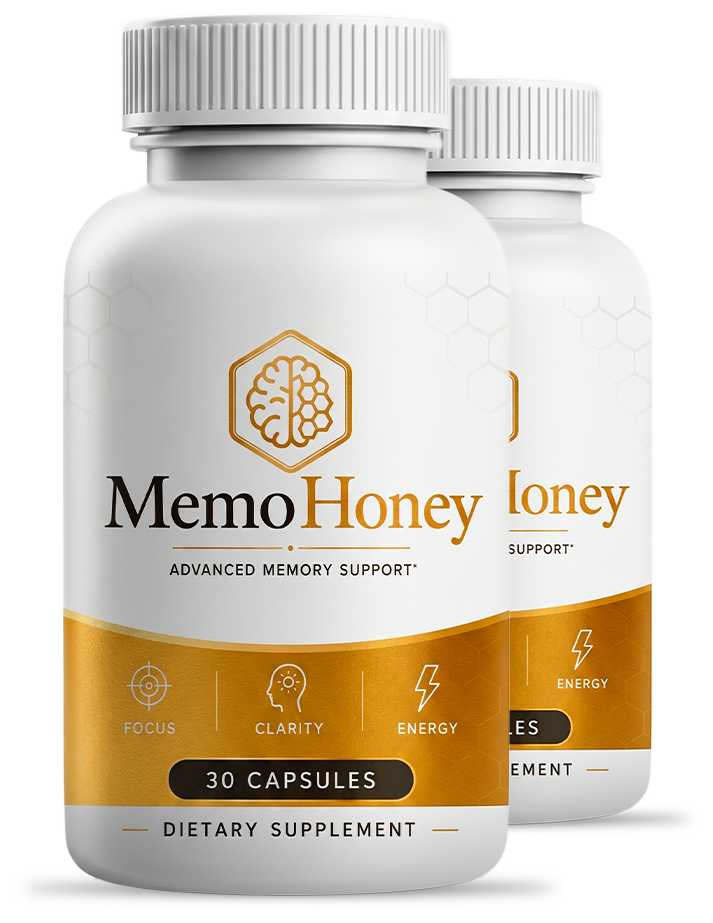

Every bundle is priced against a $179-a-bottle reference figure, producing headline savings of up to $780. No evidence exists that MemoHoney has ever been sold at $179 a bottle, so treat that number as promotional framing rather than a saving you are banking. The figures that matter are the ones you actually pay: $158, $207 or $294. A MemoHoney sale that runs permanently is simply the price.

The published MemoHoney guarantee runs 60 days from the purchase date and asks that you use the product for at least 30 of them before claiming. That is a reasonable policy, honestly stated. The problem is that it does not fit the product it is attached to.
A cognition supplement cannot be judged in a fortnight. A fair trial runs eight to twelve weeks with a written baseline, and twelve weeks is 84 days — twenty-four days after your refund window has closed. Buy six bottles and you are holding 180 days of capsules with a 60-day guarantee.
What to do: screenshot the guarantee text on the order form with the date visible, then diarise your decision for day 50. Note also that badge artwork showing a 180-day guarantee is circulating for this product; it does not match the published policy, so confirm the window in writing before you pay.
Check the Guarantee Terms



Badges describe manufacturing procedures and a stated policy. They are not evidence that a formula works. In particular, no dietary supplement is FDA-approved — an "FDA Approved" seal was supplied with this product's artwork and has not been used here, because the claim cannot be accurate.
Individual experience varies enormously, and self-reported cognition is among the least reliable measurements there is — which is exactly why a written baseline matters. Our own assessment is on the MemoHoney review page.

"Easy to take and nothing unpleasant. Whether my recall changed I honestly cannot say — I also started sleeping better after I stopped reading in bed, which probably did more."

"I bought it expecting ginkgo and bacopa because that is what the adverts implied. The label is amino acids. It is not what I thought I was ordering."

"No jitters, no aftertaste, easy routine. I take it before breakfast and I have kept it up for two months, which is more than I can say for anything else I have tried."
MemoHoney is a real product with a printed panel, a short excipient list and a stated 60-day guarantee. Those are meaningful signals. The risks here are about expectation and paperwork, and both are avoidable in ten minutes.
One detail is worth knowing before you order. The Supplement Facts panel states Distributed by: Instituto Experience, PO Box 12730, Ogden, UT 84404, with support at contact@customercs.com and a phone number in the 507 area code. A competing MemoHoney page describes itself as the authorized distribution portal for a different company, at a street address in Bangor, Maine, with a Maine telephone number.
Those are not the same entity, and the difference is not academic — it decides who you email when you want your money back. Note also that the label gives a PO Box rather than a street address, and that the support domain is unrelated to the brand name. None of that is evidence of wrongdoing. All of it is worth a screenshot.
The amounts here are small, which limits both the benefit and the risk. One interaction still deserves a proper conversation.
MemoHoney is a dietary supplement. It cannot legally claim to treat, cure or prevent any disease, and it must not be used in place of assessment for genuine memory problems. New or worsening memory difficulty is a reason to see a doctor, not to order a capsule.
This is the interaction that matters here. Arginine and citrulline both widen blood vessels. Taken alongside nitrates, blood pressure medication, or erectile dysfunction drugs such as sildenafil or tadalafil, those effects can add together and drop blood pressure further than intended. The amounts on this panel are small, which makes a clinically meaningful interaction unlikely — but the panel is printed, so a pharmacist can check it in a minute.
Because of the vasodilatory effect, stop any arginine or citrulline product at least two weeks before scheduled surgery and tell your surgical team you have been taking it.
Do not exceed the recommended dose. Not for pregnant or nursing mothers, or children under 18. Anyone with a known medical condition should consult a physician before use. Do not use if the safety seal is damaged or missing.
Arginine can promote herpes simplex viral replication in susceptible people, which is a documented reason some people avoid arginine supplements. At 315 mg of free arginine this is unlikely to matter, but it is worth knowing if you get frequent cold sores.
The most plausible complaints are mild stomach upset from taking a capsule before food. Anything unexpected — rash, palpitations, dizziness — is a reason to stop and speak to a professional rather than to push through.
Short, specific answers to the questions buyers actually search before ordering from the MemoHoney official website.
Check Price & AvailabilityMemoHoney is a once-daily dietary supplement in a vegetable capsule, sold as "Advanced Memory Support" with the pillars Focus, Clarity and Energy. Each bottle holds 30 capsules and the serving is one capsule with 8 oz of water, 20 to 30 minutes before a meal. The Supplement Facts panel lists seven items: niacin, calcium, L-arginine, L-arginine AKG 2:1, L-citrulline HCl, L-citrulline malate and beta-alanine.
Per capsule: Niacin 7.5 mg NE (47% DV), Calcium as calcium carbonate 18 mg (1.5% DV), L-Arginine base 200 mg, L-Arginine AKG 2:1 Extract 200 mg, L-Citrulline HCl 100 mg, L-Citrulline Malate 100 mg and Beta-Alanine 40 mg. Other ingredients: hypromellose capsule, vegetable stearate and silicon dioxide. That totals roughly 640 mg of amino acids per capsule.
No. This is the single most important thing to understand before ordering. The panel contains two arginine forms, two citrulline forms, beta-alanine, niacin and a trace of calcium. Not one of those has primary human evidence for improving memory or recall in healthy adults. The ingredients that do — bacopa monnieri, ginkgo biloba, citicoline, Alpha-GPC, phosphatidylserine, lion's mane, huperzine A — are all absent from this label.
Because they are working from marketing copy rather than from the bottle. The largest MemoHoney page online prints "Not published" six times in its dosage column and states in writing that the manufacturer does not publish milligram amounts. The Supplement Facts panel prints all seven. This site publishes the numbers because we read them off the label.
Structurally, yes. Arginine plus arginine AKG plus citrulline plus citrulline malate plus beta-alanine is the standard architecture of a nitric-oxide or pre-workout product, and beta-alanine's entire research base is muscular endurance. What makes MemoHoney unusual is not the formula, it is that this formula is sold under the words "Advanced Memory Support".
No, and this is worth knowing because a competing MemoHoney page tells buyers to expect both. Beta-alanine paraesthesia — the pins-and-needles tingle — needs roughly 800 mg or more in a serving; MemoHoney has 40 mg. Niacin flush needs roughly 30 to 50 mg of nicotinic acid; MemoHoney has 7.5 mg NE. Neither sensation is possible at these amounts.
Bundle pricing runs at $79 per bottle for two ($158), $69 per bottle for three ($207) and $49 per bottle for six ($294). Three- and six-bottle orders ship free in the US and include five digital guides. The crossed-out $179-a-bottle reference price is promotional framing rather than a price the product is normally sold at.
The MemoHoney discount is applied by bundle size rather than a coupon code — the per-bottle price falls from $79 to $49 as the bundle grows. Any current MemoHoney sale pricing appears at the official website checkout, and it is worth confirming the live total before paying because sellers change pricing without notice.
Sixty days from the purchase date, and the published terms ask that you actually use the product for at least 30 of them before claiming. Note the mismatch: a fair trial of a cognition supplement runs 8 to 12 weeks, and 12 weeks is 84 days. Diarise your refund decision at day 50 rather than at the end of the bottles. Badge artwork showing 180 days is circulating and does not match the published policy.
Check this before you order, because the answer depends on which page you read. The Supplement Facts panel on the bottle states: Distributed by Instituto Experience, PO Box 12730, Ogden, UT 84404, with support at contact@customercs.com and a phone number in the 507 area code. A competing page describes itself as the authorized distribution portal for a different company at a street address in Bangor, Maine, with a Maine phone number. Those are not the same entity, and the difference matters when you need a refund.
Ask your pharmacist first. Arginine and citrulline are vasodilators, so their effect can add to nitrates, antihypertensives and erectile dysfunction drugs. At roughly 315 mg of free arginine and 140 mg of free citrulline a clinically meaningful interaction is unlikely, but the panel is fully printed and a pharmacist can assess it in about a minute.
No, and neither is any other dietary supplement — the FDA does not approve supplements before sale. Manufacturing in an FDA-registered facility means the facility has registered with the agency; it is not a review of the formula or a finding that it works. Any MemoHoney page displaying an "FDA Approved" seal is using a badge that cannot be accurate.
The 'other ingredients' line lists capsule materials, flow agents, fillers and coatings. A short list generally indicates a simpler pro
Mnemonic techniques work by giving arbitrary information a structure and an image, which makes it far easier to encode and retrieve tha
The MIND diet combines Mediterranean and DASH patterns with an emphasis on leafy greens and berries, and observational research associa
Judge any review by whether it contains a number the seller would not have published itself.
Information reviewed at spaced intervals is retained far better than the same total time spent in one block, a finding replicated for o
All amounts on a Supplement Facts panel are per serving, and a serving may be two, three or four capsules — which changes both the dose
You now have all seven printed doses, the salt-form conversions, the list of memory ingredients that are absent, the tingle-threshold arithmetic, the distributor discrepancy and the guarantee timing problem. That is more than any other MemoHoney page will give you, and it is everything you need to make the decision yourself.
If a stimulant-free daily amino-acid and B-vitamin capsule is what you want — judged over 8 to 12 weeks against a written baseline — the three-bottle bundle is the sensible starting point. From $49 per bottle · free US shipping on 3 and 6 · 60-day money-back guarantee.
Claim Your MemoHoney Discount