Type 2 Diabetes and Cognitive Risk
The short answer
Type 2 diabetes is associated with increased risk of cognitive decline, likely through vascular damage, inflammation and the effects of glucose variability over time.
What follows is what the evidence actually supports, and where it stops.
What this actually means
Type 2 diabetes is associated with increased risk of cognitive decline, likely through vascular damage, inflammation and the effects of glucose variability over time. That definition matters because the term gets used loosely in supplement marketing, where a real mechanism is routinely stretched into a promise the evidence does not carry.
It sits alongside blood pressure and hearing as a treatable factor that matters far more than any supplement in this category.
Why it matters if you are buying a supplement
Almost every purchase decision in this category comes down to one question: is the product addressing the actual cause of the problem you have? Appetite, sleep debt, an energy surplus, insulin resistance and simple measurement error all produce similar-looking frustration, and they need different responses. Getting the cause right is worth more than getting the product right.
It sits alongside blood pressure and hearing as a treatable factor that matters far more than any supplement in this category. That is why the sequence on this site is always the same — understand the mechanism, check the dose against the research, then decide whether a product is buying you anything.
Four things worth knowing
- Small-vessel damage from chronic hyperglycaemia affects the brain as well as the eyes and kidneys.
- Hypoglycaemic episodes also carry cognitive risk.
- Good glycaemic control is associated with better outcomes.
- Many people have prediabetes without knowing.
Is the MemoHoney sale price worth it?
Ignore the crossed-out $179 reference price and judge the real numbers: $158, $207 or $294 — then confirm the 60-day guarantee wording on the order form before you pay.
Check MemoHoney Sale Pricing Official website checkout · 60-day guarantee · confirm before payingWhat to do about it
- Get glucose or HbA1c checked if you have risk factors.
- Follow treatment consistently if diagnosed.
- Combine dietary change with regular activity.
- Discuss B12 monitoring if you take metformin long-term.
None of those cost anything, which is the point. In cognitive health the interventions with the strongest evidence — treating blood pressure and hearing loss, seven hours of sleep, aerobic exercise, staying socially engaged and reviewing sedating medications — are consistently cheaper and far less marketed than the ones with the weakest.
One more framing point. Effect sizes in this field are usually small, and small effects are exactly the ones personal impression cannot detect — especially for cognition, where how sharp you feel tracks last night's sleep more than anything else. A written baseline beats a feeling every time.
It is also worth separating what is measurable from what is marketable. The interventions with the strongest evidence here rarely have a product attached, which tells you something about why you hear about them least.
The myth to drop
That diabetes only affects blood sugar. Its vascular consequences reach the brain.
For background reading from sources with nothing to sell, see FTC — health products compliance guidance and NIH ODS — supplements for exercise and performance.
Where MemoHoney fits
MemoHoney discount is a once-daily capsule whose Supplement Facts panel lists seven items: Niacin 7.5 mg NE (47% of the Daily Value), Calcium as calcium carbonate 18 mg, L-Arginine base 200 mg, L-Arginine AKG 2:1 Extract 200 mg, L-Citrulline HCl 100 mg, L-Citrulline Malate 100 mg and Beta-Alanine 40 mg. Every amount is printed, which is more than the two largest pages selling it will tell you.
Read against this topic, the honest placement is as a background nutritional layer rather than a solution. Niacin is delivered at a sensible amount. The amino acids are not: after salt-form conversion the capsule supplies roughly 315 mg of free arginine and 140 mg of free citrulline, against research intakes around 3,000 mg each. And none of the ingredients with human evidence for memory — bacopa, ginkgo, citicoline, Alpha-GPC, phosphatidylserine — appear on the panel at all. It belongs underneath sleep, blood pressure control, hearing checks and exercise, not in place of them. The detail is on the MemoHoney ingredient and dose analysis.
Buy MemoHoney from the official website
Ordering direct is what attaches the current pricing, the 60-day guarantee and a working refund route to your order. With four ingredient lists circulating publicly, provenance matters more than usual here.
Go to the MemoHoney Official Website Official website checkout · 60-day guarantee · confirm before payingQuestions readers ask
Does MemoHoney help with this?
MemoHoney provides niacin at 47% of the Daily Value plus small amounts of arginine, citrulline and beta-alanine aimed at the nitric-oxide circulation pathway. It is daily nutritional support rather than a treatment, and no ingredient on its panel has human evidence for memory or recall.
What should I do first?
Address the cause rather than the symptom — sleep, blood pressure, hearing, physical activity and a review of any sedating medication come before any supplement decision.
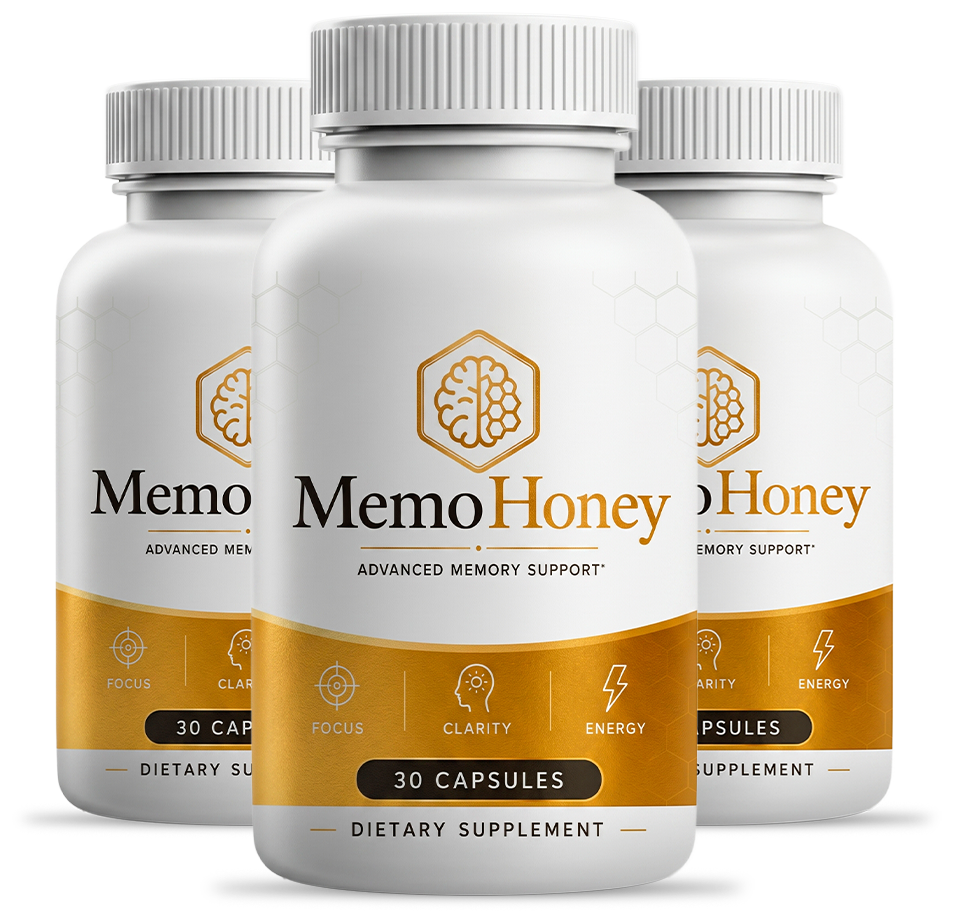
MemoHoney Official Website
per bottle on the 6-bottle bundle · free US shipping on 3 and 6
Check Current Price 60-day guarantee · official checkout only